Understanding the signs of gambling addiction A guide to recognizing the risks
What is Gambling Addiction?
Gambling addiction, often referred to as compulsive gambling, is a behavioral condition where individuals are unable to resist the urge to gamble, despite the negative consequences that may arise. This addiction can significantly impact various aspects of a person’s life, including personal relationships, financial stability, and emotional well-being. Understanding the nature of this addiction is the first step in recognizing its signs and addressing the issue. Many people explore online options, including reputable casino sites, which can lead to increased risks.
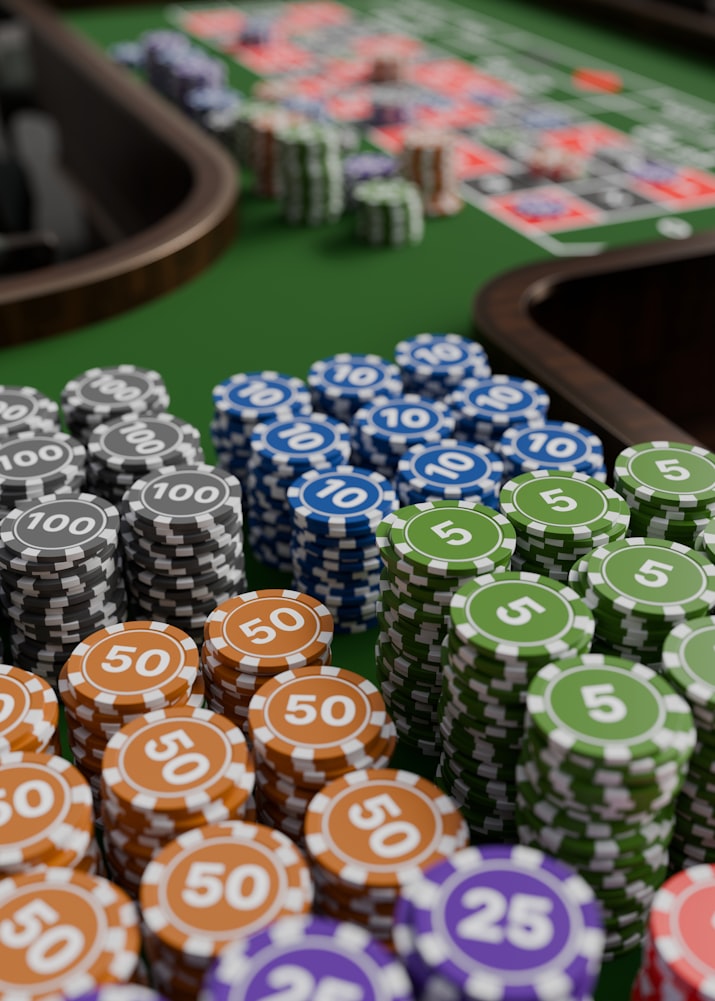
The addiction can manifest in various forms, from casual betting to more serious gambling that disrupts daily life. It often begins as a form of entertainment but can escalate into a compulsive behavior that takes precedence over other activities. The thrill of winning, combined with the potential for significant financial gain, can trap individuals in a cycle that becomes increasingly hard to break.
Recognizing the Signs
Identifying the signs of gambling addiction is crucial for early intervention. Common indicators include an increasing preoccupation with gambling, where thoughts about gambling dominate an individual’s mind. This can lead to neglecting responsibilities, withdrawing from social activities, and spending excessive time in casinos or online gambling platforms.
Another telling sign is the need to gamble with larger amounts of money to achieve the same excitement. This escalation often leads to significant financial losses and can create a sense of desperation. Individuals may lie about their gambling habits, hide evidence, or minimize their gambling to friends and family, further complicating the situation. Recognizing these behaviors is essential for loved ones to provide effective support.
The Emotional Toll of Gambling Addiction
The emotional impact of gambling addiction can be profound. Many individuals experience feelings of guilt, shame, and anxiety about their gambling behaviors. The highs of winning are often followed by deep lows of loss, creating an emotional rollercoaster that is difficult to manage. This cycle can lead to depression and increased stress levels, making it vital to recognize these emotional signs early.
Additionally, individuals may develop unhealthy coping mechanisms to deal with the emotional fallout. This may include substance abuse or further isolation from loved ones. Understanding the emotional toll is essential for both individuals struggling with addiction and their support systems as it highlights the need for compassionate intervention.
The Impact on Relationships
Gambling addiction does not affect just the individual; it has a ripple effect on relationships with family, friends, and colleagues. Trust often erodes as individuals resort to deceitful behaviors to conceal their gambling habits. Partners may feel betrayed, while family members may face financial instability due to the gambler’s actions.
Moreover, the stress of dealing with an addicted loved one can lead to resentment and conflict. These strained relationships can, in turn, exacerbate the individual’s addiction, trapping them in a vicious cycle that is challenging to escape without support. Addressing the relational dynamics is crucial in recovery efforts.

Resources for Help and Support
If you or someone you know is struggling with gambling addiction, it’s important to seek help. Numerous resources and support groups are available that offer guidance and assistance for recovery. These organizations often provide a safe space to discuss experiences, learn coping strategies, and connect with others facing similar challenges.
On this website, you will find valuable information on recognizing the signs of gambling addiction, support resources, and success stories from individuals who have overcome their struggles. By understanding the risks and signs of gambling addiction, we can foster awareness and encourage those in need to seek the help they deserve.