
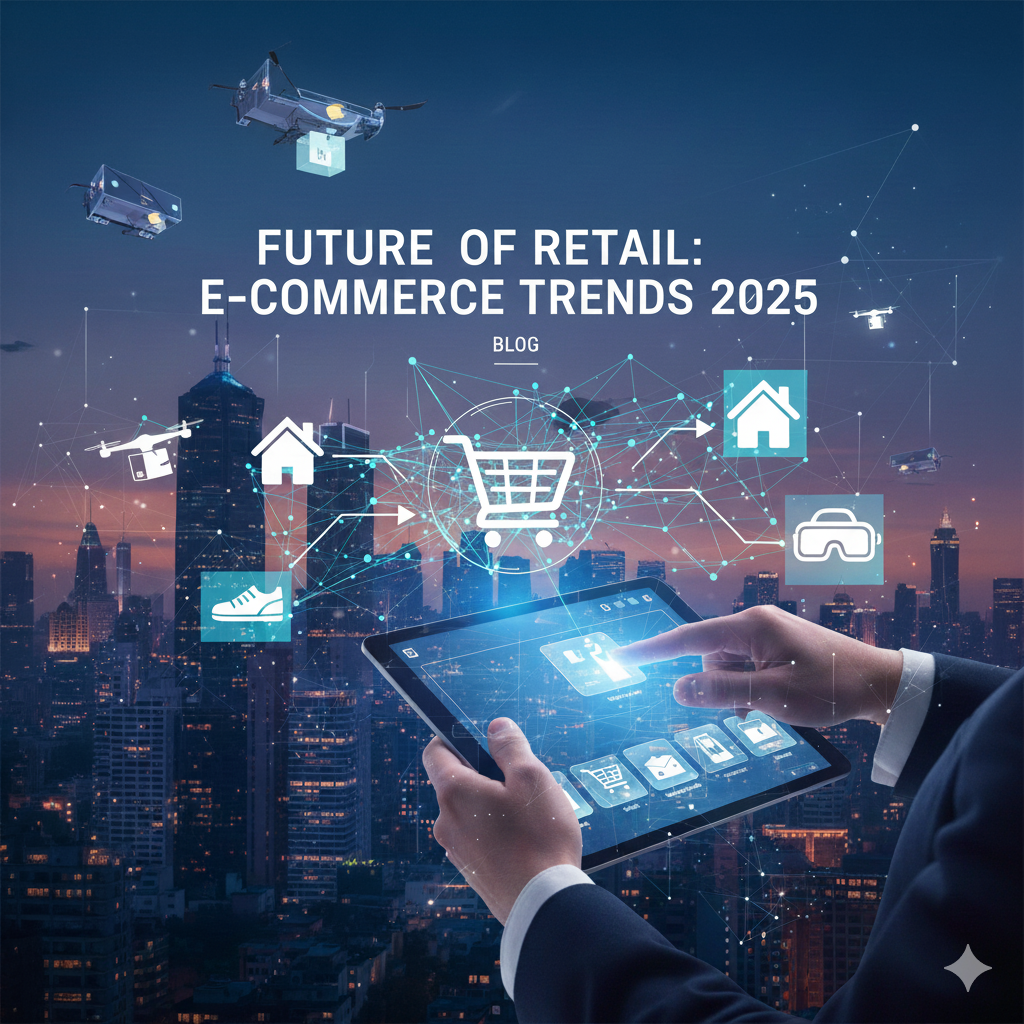
Artificial intelligence (AI) has evolved from a futuristic idea to the foundation of modern e-commerce. AI is transforming how consumers shop and how online businesses operate — from personalized product recommendations to automated customer support. By 2025, online shopping will be faster, smarter, and more efficient thanks to AI-driven technologies.
Interestingly, the same technological shift is also influencing industries like Distance education in UAE, where AI-powered platforms enhance learning and student support.
Here are some major ways AI is changing the e-commerce sector.
1. Customized Purchasing Experiences
Hyper-personalization is one of AI’s biggest advantages.
AI systems analyze:
Browsing history
Previous purchases
Search patterns
Customer preferences
This helps online retailers recommend the right products at the right time.
It feels like having a personal shopper who understands your needs perfectly.
2. More Intelligent Search and Voice Shopping
AI has enhanced search algorithms, making it easier for customers to find what they want.
Voice assistants like Siri, Google Assistant, and Alexa now allow users to:
Search for products
Compare prices
Reorder essentials
Track deliveries
Voice shopping is becoming more popular, especially for groceries and daily-use items.
3. Chatbots and 24/7 Customer Support
AI-powered chatbots provide instant, round-the-clock support. They can:
Answer customer questions
Help track orders
Assist with returns
Recommend products
This reduces waiting time and improves customer satisfaction.
4. AI for Secure Payments and Fraud Detection
Security is one of the biggest concerns in e-commerce.
AI helps identify:
Suspicious transactions
Unusual account activity
Hacking attempts
Fake reviews
AI-based authentication, biometric verification, and fraud monitoring are making online payments safer and more reliable.
5. Automation of Supply Chains and Inventory
AI helps businesses manage inventory more efficiently by predicting customer demand.
It can:
Forecast best-selling items
Prevent overstocking and understocking
Automate reordering
Optimize delivery routes
This leads to faster delivery, fewer delays, and lower operational costs.
6. Visual Search and Augmented Reality (AR)
AI powers advanced visual search tools where users can upload an image to find similar products.
When AR and AI work together, customers can:
Virtually try on clothes
See how furniture fits in their room
Test makeup shades
Preview home décor
This improves confidence in online purchases and reduces product returns.
7. Adaptive Pricing
AI analyzes real-time data such as:
Competitor pricing
Market demand
Product availability
Seasonal trends
It automatically adjusts product prices to maximize sales and profits.
This is why prices change frequently during festivals, flash sales, or high-demand seasons.
8. Improved Product Suggestions
AI uses advanced algorithms like:
Collaborative filtering
Deep learning
Predictive analytics
These help recommend products based on similar customer behavior.
These suggestions appear on the homepage, product pages, cart recommendations, and email campaigns.
Conclusion
AI is transforming the e-commerce sector at every level — from secure payments and automated warehouses to advanced search and hyper-personalized shopping. It helps businesses operate faster while giving customers a smoother, more enjoyable shopping experience.
The same AI-driven revolution is also shaping the future of Distance education in UAE, making online learning smarter, more flexible, and more accessible.